Why SaaS Is Starting to Look More Like Services Again
Software used to be a collection of screens and features: click here, fill that, report over there. That model still exists, but AI and agentic workflows are tilting the balance. SaaS products are increasingly organized around outcomes—managed action, predictable handoffs, and human-in-the-loop review—rather than fixed interfaces. The result looks more like a service wrapped in software: the app does work for you, coordinates the right people, and ensures the business outcome.
This isn’t hype. It’s practical: companies buy predictability, not just seats or features. Below are the patterns, examples, and design checks to help product and ops teams make the shift sensibly.
What’s changing: from interface-first to outcome-first
- Interfaces were command centers; workflows were an afterthought. Agents reverse that. They act on behalf of users and trigger sequences of tasks.
- Outcomes matter more than clicks. Buyers want an accepted quote, a shipped order, or a compliant intake completed—not a neat set of screens.
- Managed action introduces an orchestration layer that routes work, enforces permissions, and keeps audit trails.
Why that matters: when software can perform steps (or suggest them to a person who approves them), the product becomes a system for getting things done—not just a place to do work.
How agents and AI push the shift
Agentic components change three core dynamics:
- Action vs. Suggestion
- A suggestion-based app still expects the user to execute. An agent can execute, escalate, or request approval.
- Handoffs and orchestration
- Agents coordinate downstream systems: CRM updates, quote generation, order routing. That reduces context-switching.
- Review and control
- Because agents can act, review queues, permission checks, and audit logs become central to trust.
These changes make the product responsible for outcomes. That responsibility requires mechanisms usually found in services: SLAs, human handoffs, and predictable escalation paths.
Practical patterns to adapt existing SaaS products
Below are design patterns that turn feature sets into outcome-driven systems.
- Outcome workflows: model common end-to-end processes (e.g., intake → qualification → quote → approval → order). Make each step auditable and testable.
- Managed agents: give agents bounded authority (e.g., create draft quote, send to reviewer, or finalize order only with two approvals).
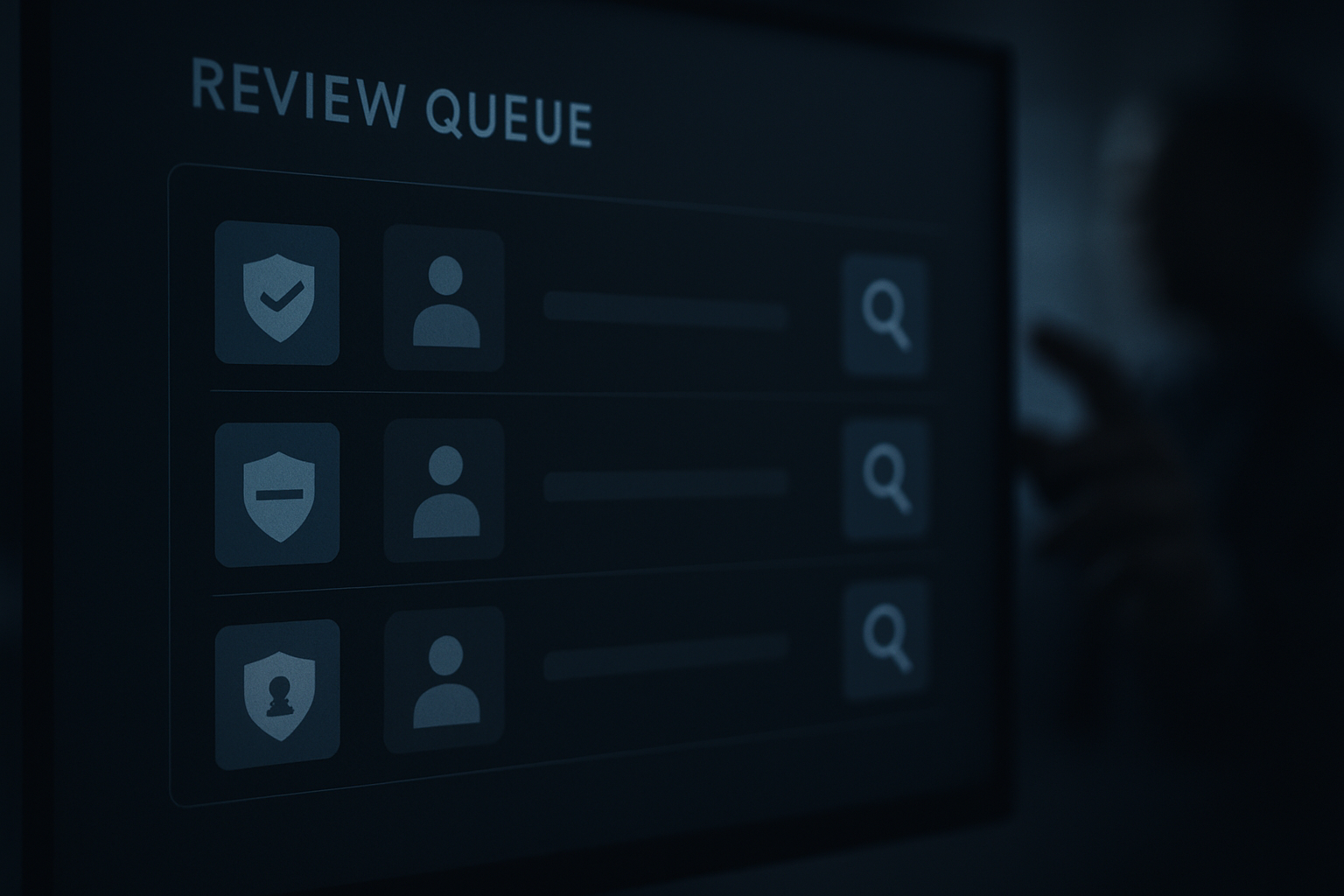
- Review queues: separate action from authorization. Put changes into queues with clear ownership and time-to-respond expectations.
- Permission tiers: add role-based action scopes (view, suggest, act, finalize). Avoid one-size-fits-all admin rights.
- Audit trails and versioning: log agent proposals, human edits, approvals, and final actions. Tie logs to business objects (quotes, orders, tickets).
- Retry and rollback: when an agent acts across systems, provide compensating actions and clear state reconciliation.
These patterns are familiar to service teams; the difference is they now live inside the application.

Examples that show the shift (concrete, not theoretical)
Quoting: instead of a form to fill, agents assemble a draft quote using customer data, preferred pricing rules, and inventory checks. A salesperson reviews and approves in a queue. Finalization triggers contract creation and fulfillment steps.
Order entry: an agent validates order items, runs fraud checks, and routes exceptions to a human with context (why failed validation, suggested fix). The order only completes after approvals for flagged items.
Intake and triage: intake forms feed an agent that classifies requests and dispatches work to the right team. Humans can reclassify, but most low-risk items are auto-routed and resolved.
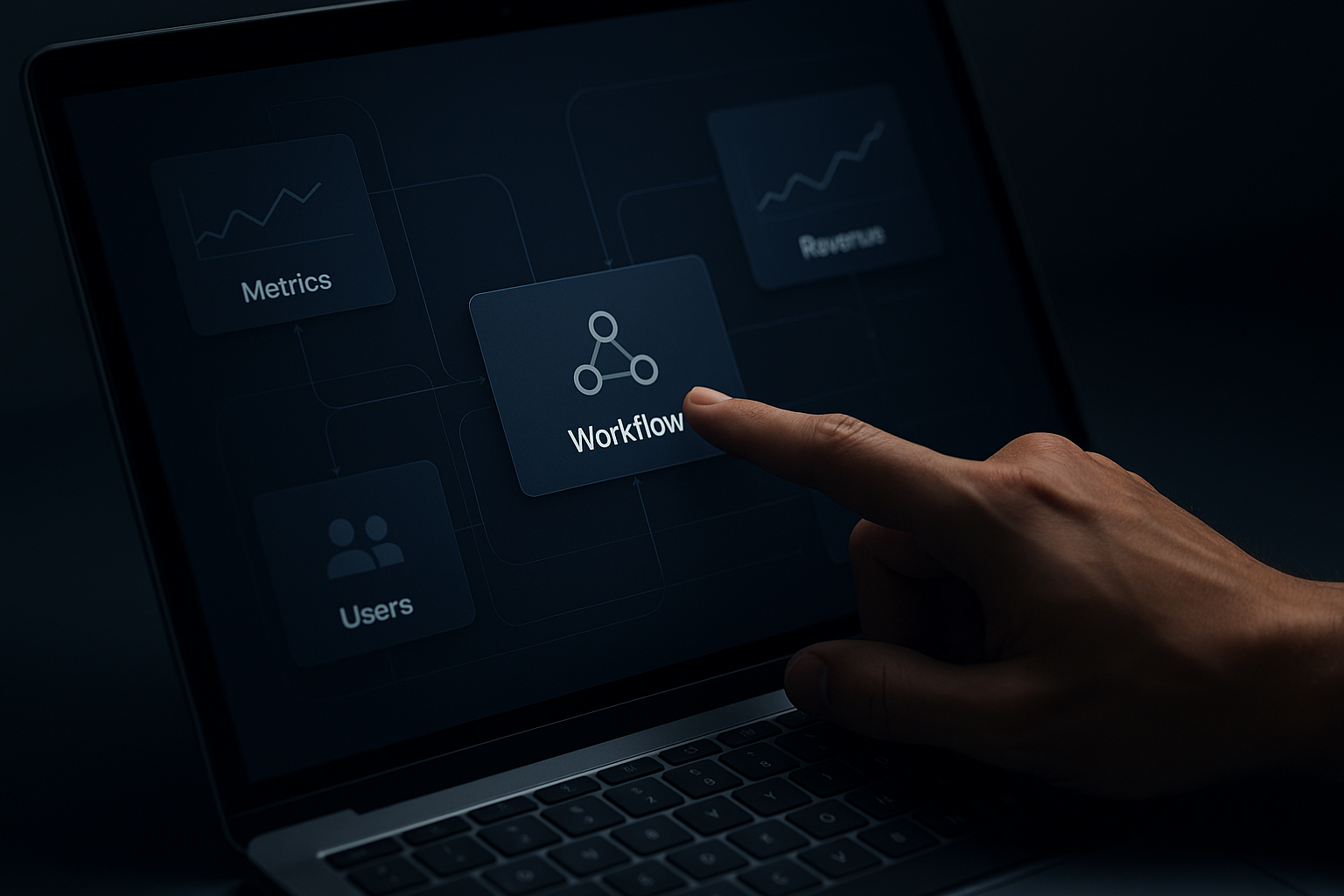
Dashboards & handoffs: dashboards do more than show metrics; they surface recommended next actions, outstanding reviews, and SLA risks—so teams can focus on the few decisions humans actually need to make.
These examples show the same shift: automation plus human checks equals reliable outcomes.
Governance: permissions, review, and trust
The practical barrier to agents acting is trust. Trust comes from clear guardrails:
- Action scoping: define exactly what agents can change. Prefer creating proposals over making irreversible edits.
- Explicit approvals: require explicit sign-off for high-risk actions (pricing overrides, contract terms, refunds over a threshold).
- Review metadata: include why the agent suggested an action, which data sources it used, and a confidence score.
- Audit-friendly storage: capture the full chain of decisions and edits in a way legal and finance teams can consume.
- Role-based review queues: map business roles to queue responsibilities—who verifies quotes, who releases orders, who handles escalations.
These controls let organizations gain efficiency without losing control.
Operational changes for product and ops teams
- Product: reframe requirements from "build feature X" to "deliver outcome Y with failure modes and approvals". Design flows that include agent proposals and human review states.
- Engineering: build durable workflows (retry logic, idempotency), observability for multi-step actions, and clear provenance for each change.
- Ops & Support: update runbooks. When software takes action, support needs to know how to inspect, pause, and correct agent behavior.
- Sales & Success: sell predictability. Clients care about time-to-outcome and controls, not the underlying agent tech.
When to keep screens and when to add managed action
- Keep screens when the task is exploratory, creative, or requires frequent ad-hoc adjustments.
- Add managed action when outcomes are repeatable, verifiable, and benefit from orchestration (quoting, order processing, compliance checks).
- Hybrid approaches work well: allow agents to run drafts and present them in the UI for quick human edits.
Checklist to turn an app into a service-like system
- Identify 3 high-value repeatable outcomes (e.g., accepted quote, shipped order, completed intake).
- Map the end-to-end workflow for each outcome, including exceptions.
- Decide agent boundaries: what each agent can propose vs. finalize.
- Build review queues with SLAs and role mappings.
- Implement audit logs tied to business objects and human-readable explanations for agent decisions.
- Test failure modes: network issues, incorrect data, and permission conflicts.
- Train users: show how agent proposals appear, how to approve, and how to revert.
Final notes
This shift doesn’t eliminate interfaces. It reorganizes them: dashboards and screens become places to monitor, review, and unblock agents, rather than the only place work is executed. For businesses, the benefit is predictable outcomes with human oversight—efficiency without losing control.
Practical takeaway: start by picking one repeatable business outcome, map the steps and exceptions, then introduce agent proposals + a review queue. Give the agent narrow authority, surface why it recommends actions, and log everything. That incremental approach turns software into a managed system that behaves more like a service—without giving away control.
